How to read a Mula passport
You scanned a piece with a story. Here is how to read it.
A Mula passport is a public page that travels with the piece: who made it, what it is made of, how to care for it, and where it goes when its first life is over. It is written to be read in a shop, on a bus, or at home. This page explains what you are looking at and what it does not claim.
This page in English and Bahasa Indonesia. Nothing here is a certificate.
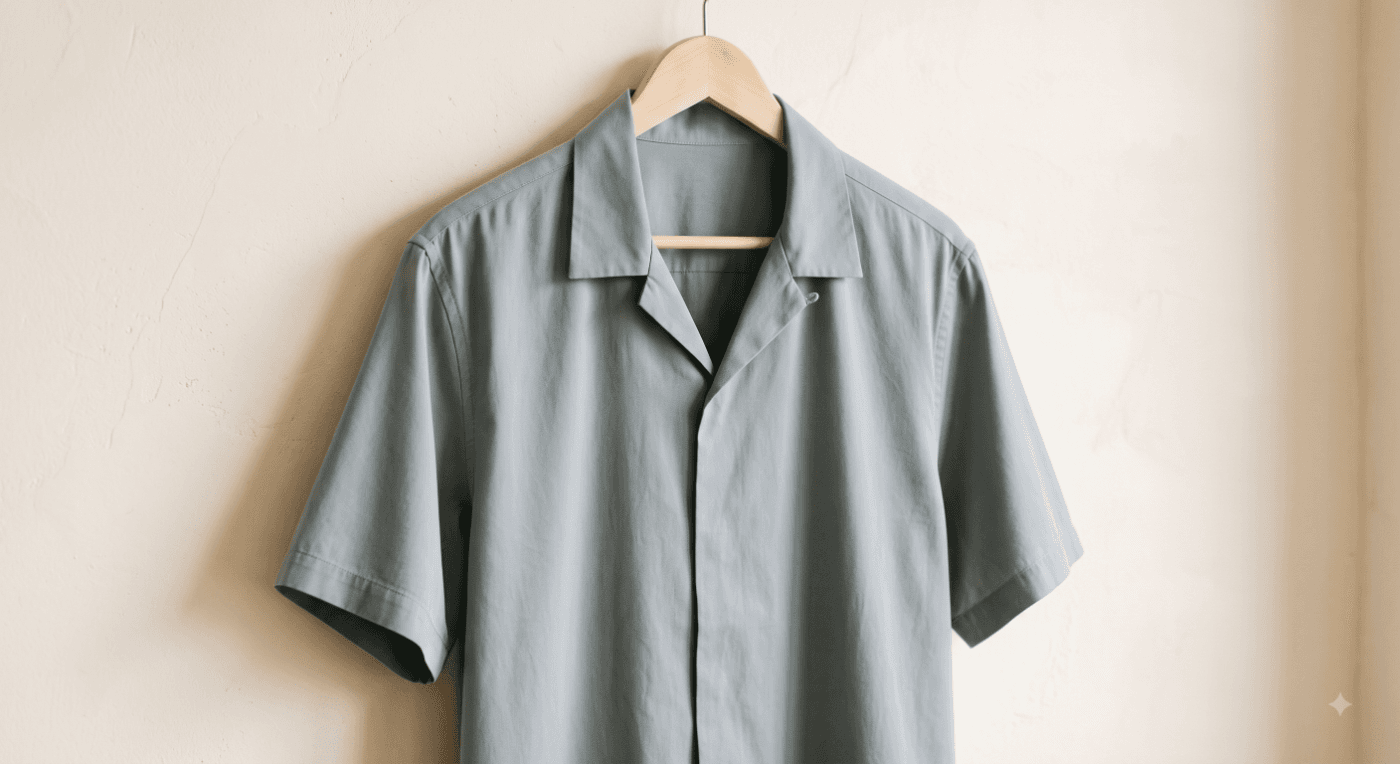
Example
Kemeja Kapas Laut
Kain Kita · scanned from the hangtag
 Origin
 Life
Life When you are done with it
1 · Where the story starts
The QR on the hangtag opens the passport, and the address never changes.
It stays with the piece even if the hangtag is lost, and the page can gain more detail over time without the brand printing a new tag. Some passports begin with a little and grow. That is by design.
 Hangtag · the QR printed on the piece
 Scan · opens in your phone browser
 Passport · a permanent public address
What you are looking at
One passport, part by part
This is the Kemeja Kapas Laut passport by Kain Kita, the same page the QR on its hangtag opens.
Kemeja Kapas Laut
1 · OriginWoven by Ibu Sari · Central Java
2 · Life3 · When you are done with itpermanent QR, this link will not die
2 · The three chapters
Every passport is told in three chapters
The same three, in the same order, on every passport.
Origin
Where the piece began. Materials and their sources, where it was made, and the people who made it, when they have agreed to be named. Look for the maker's name in the form they chose. If a maker is not named, that is a choice, not a gap.
Life
How to keep it in use. Care instructions, repair notes, and, where the brand records it, the date of production. This chapter can grow: a repair added, a care note updated.
When you are done with it
What happens next. Return, reuse, or recycling options the brand can support today. If nothing is shown yet, the chapter says so.

3 · The small label beside every claim
Every claim carries how the brand knows it
Next to any figure or claim you will find an evidence tier. It tells you how the brand knows what it is saying.

Documented
Backed by the brand's own records: batch notes, supplier records, photos, or logs held on Mula.

Certified
Backed by a certificate from a third party, named on the page.

Stated
The brand's own account, without a record behind it yet.
None is hidden and none is ranked as unworthy. A documented claim carries the same dignity as a certified one; the label simply tells you which it is.

4 · When a chapter says "not yet"
Sometimes a chapter, or a line inside it, shows a gap. That means the brand has not yet been able to evidence that part of the story. Mula does not fill gaps with averages or assumptions. A gap is an honest blank, and it may close as the brand's records grow.

5 · What a passport is not
A door into the story, not a stamp on it.
Four limits, stated plainly, so nothing on the page is read as more than it is.
- It is not a certificate. Mula does not certify brands, products, or claims, and is not affiliated with any certifier.
- It is not proof on its own. The QR opens the story; the evidence tiers tell you how well each part is supported.
- It does not measure everything. Impact figures appear only where the brand has chosen to show them and has data behind them.
- It never names anyone under 18.

6 · Who is behind the page
The brand named at the top wrote the passport and is responsible for its content. Makers named on the page agreed to be named and can withdraw that agreement at any time. Mula is the platform the passport runs on, made by Nara (PT Nara Inovasi Indonesia). If a passport goes quiet, the page will say so plainly.

7 · If something looks wrong
Tell us. We would rather hear it than have it stay unsaid.
Every passport carries a link to report a concern. Reports go to the brand and to Mula.
